
By Christine Kaplunas

Author: Rev. Christine Kaplunas serves Unity Presbyterian Church (U.S.A.) in Waterloo, Iowa. She loves reading about history, music and plants, but she also really loves her husband, son, and mother. You can hear her play fiddle occasionally with country band Throwback Jack.
During the Great Depression, Kentucky women rode 120 miles a week through treacherous mountain passes, crossing swollen creeks and navigating steep terrain – all to deliver books to isolated Appalachian communities. These “Pack Horse Librarians” worked under the WPA from 1935-1943, earning just $28 a month (about $495 today).
Nearly 1,000 librarians participated, using their own horses or mules to carry books in makeshift saddlebags. They established small libraries in churches and post offices, repaired damaged books with Christmas cards as bookmarks, and persevered through harsh weather and dangerous conditions.
When their animals died, some librarians would hike 18-mile routes on foot rather than leave communities without access to books. They gained trust in remote areas by reading Bible passages and brought hope through stories to places where roads didn’t exist.
The program ended in 1943, but the Pack Horse Librarians left an incredible legacy of dedication, bringing knowledge and connection to isolated mountain communities during one of America’s darkest times.
Sources: Down Cut Shin Creek: The Pack Horse Librarians of Kentucky, Smithsonian Magazine, Pine Mountain Settlement School documents. This Photo by Unknown Author is licensed under CC BY-NC-ND
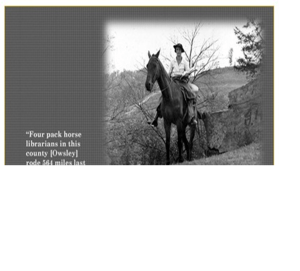
I read this italicized history above (I’ve read lots on these women before), and I can tell you exactly why these women braved horrible job conditions for terrible pay:
It’s love.
Maybe it’s not a sort of love you have encountered before. The benefits they received were things like…
1. Educating (through the sacred mystery of time) their younger selves/being the heroes they needed as kids.
2. Literally becoming heroes to the many isolated and mildly-literate people who needed to be able to connect to a changing, connecting world.
3. Delivering hope.
4. Living in a place with more educated neighbors.
The thing that “gets” me about this story is that I think I have to explain it on a molecular level.
Money is a useful currency. I know what it’s like to need it with utmost haste. I know what debt is like. My “denial” of its importance probably relates to my upbringing in a highly charitable family and church community. So I promise I know more than I look…
When Jesus was healing and empowering people, without money, it was love. When people ensure their neighbors don’t starve (despite all the potential poor choices they made to get there), when people educate other people’s children, when they plant trees or gardens for others to enjoy, when they teach the liberating word of God to others, when they ride a horse through hell just to get people access to books…
It’s love. Love is the currency that transcends all currency, because giving it away only multiplies it.
Do something today that values people over profits. Do something for the love of someone else today. Do it for someone close to you or far away. Do a little bit of something every day. Because money can’t go beyond the grave for you or me. But love does.
© Christine Kaplunas 2025










 Awakening Light